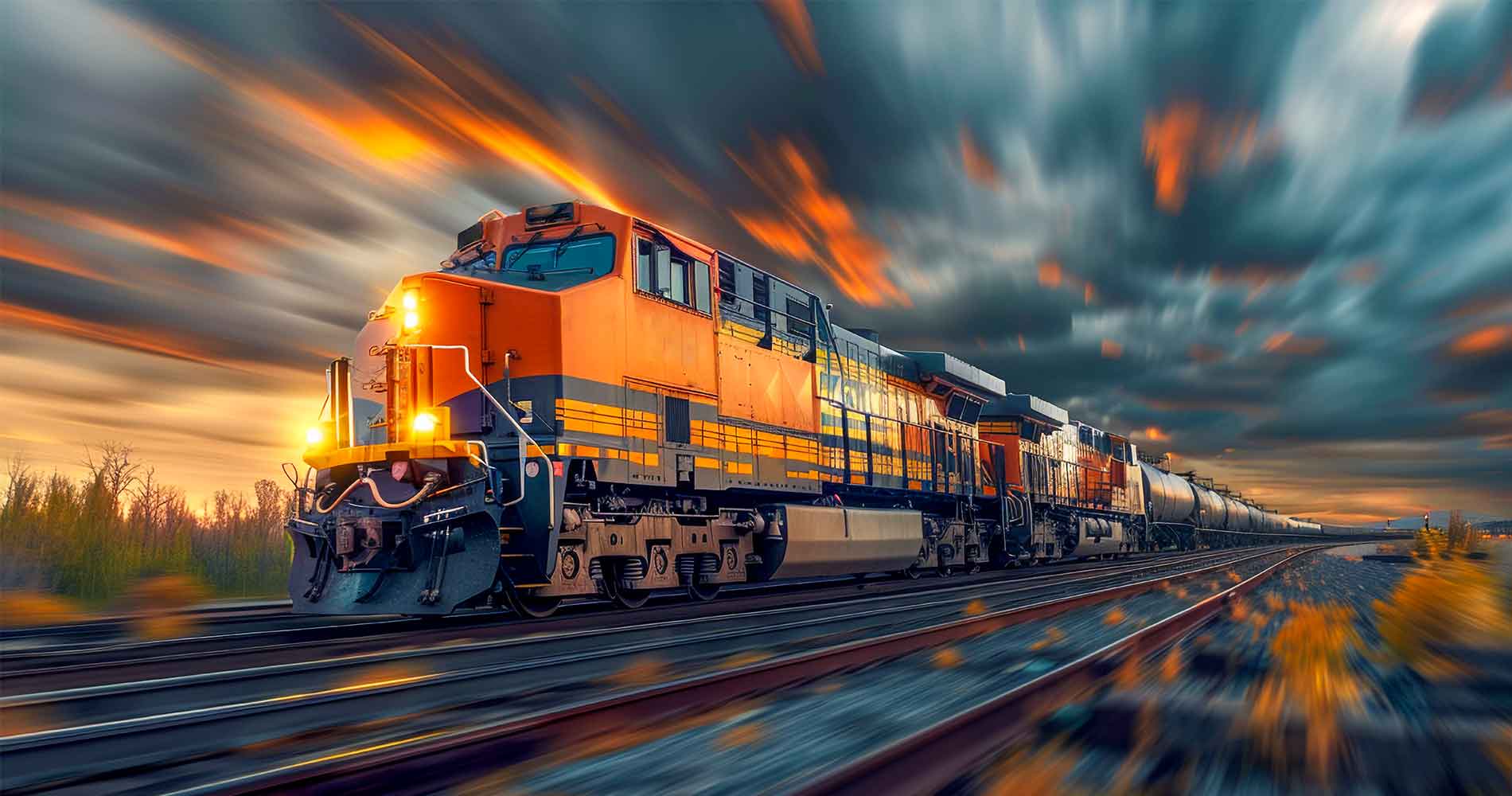
Rail freight is playing an increasingly important role in transforming how goods move across Kenya and the wider East African region. With growing international trade, expanding infrastructure, and rising demand for efficient cargo transportation, businesses are exploring smarter ways to connect ports, inland markets, and distribution centres. Kenya’s Standard Gauge Railway (SGR) has introduced significant opportunities for transporting containerised cargo between the Port of Mombasa and inland destinations. At Nurex Cargo & Clearing Ltd, we recognize rail transport as an important component of integrated logistics, helping businesses explore more efficient and dependable supply chain solutions.
The development of Kenya’s SGR freight infrastructure has strengthened the connection between maritime shipping and inland cargo distribution. Through rail freight services linking Mombasa with Nairobi and Naivasha, importers and exporters can move substantial cargo volumes using an established transport corridor. Rail offers particular advantages for containerised shipments and bulk freight, especially where predictable scheduling and high carrying capacity are priorities. However, successful rail logistics also requires effective coordination with port operations, inland container depots, customs clearance procedures, and road transport providers responsible for completing the final delivery.
The future of logistics lies in connecting different modes of transport intelligently. Rail freight presents tremendous opportunities for Kenyan businesses, and at Nurex Cargo, we believe that combining efficient transportation with professional cargo coordination can help customers move goods more confidently and competitively.
Noor, Chief Executive Officer, Nurex Cargo & Clearing Ltd
One of rail freight’s greatest strengths is its ability to transport large cargo volumes over long distances while potentially reducing road congestion and transportation-related emissions. For businesses importing through Mombasa, rail can provide an alternative to moving every container entirely by road. Nevertheless, choosing the right transportation method requires careful consideration of shipment size, cargo type, delivery location, terminal handling charges, transit schedules, and overall logistics costs. A well-planned multimodal approach combines rail’s carrying capacity with the flexibility of road transport to support efficient cargo movement.
Five Key Advantages of Rail Freight for Businesses
- High Cargo Capacity: Freight trains can transport large quantities of containerised and bulk cargo in a single movement.
- Potential Cost Efficiency: Rail transportation can offer competitive economics for suitable cargo volumes and routes, depending on total logistics charges.
- Predictable Transportation: Scheduled rail services can support better shipment planning and inventory management.
- Environmental Benefits: Rail freight can reduce fuel consumption and emissions per tonne-kilometre compared with road transport under suitable operating conditions.
- Multimodal Connectivity: Integrating rail, road, and sea transport creates additional options for moving cargo between ports, inland terminals, and customers.
As Kenya continues strengthening its position as a regional trade and logistics hub, rail freight will remain an important consideration for businesses seeking efficient transportation alternatives. Its long-term value depends not only on railway infrastructure but also on effective customs processes, competitive pricing, reliable schedules, and seamless connections with other transport networks. At Nurex Cargo & Clearing Ltd, we believe customers benefit from understanding the available transportation options and selecting solutions that match their operational requirements. By embracing integrated logistics planning and emerging transport opportunities, Kenyan businesses can build more resilient supply chains, improve cargo movement, and strengthen their connections to domestic and international markets.